The 56th edition of the World Economic Forum (WEF) in Davos, Switzerland, has just come to a close. It brought together over 3,000 participants from 130 countries around the world, including 64 heads of state and over 800 of the most important CEOs and presidents of global organizations, to discuss the future of the world economy.
After last year's focus on the emerging and increasingly crucial issue of digital transition and the use of artificial intelligence, this year's debate shifted to the theme ‘A Spirit of Dialogue’, which calls for open dialogue between governments and industry and a strong spirit of cooperation in a context of growing economic and geopolitical instability.
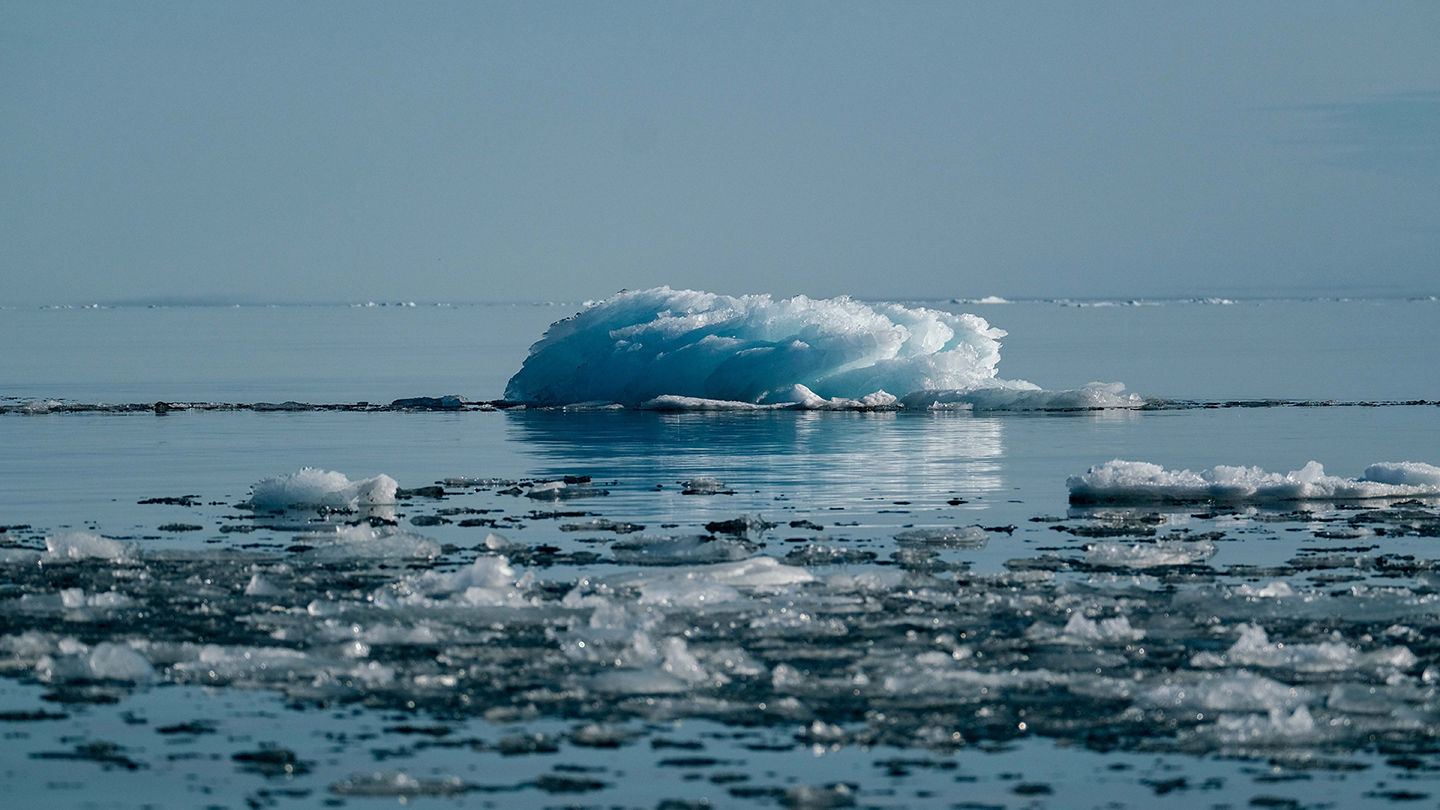
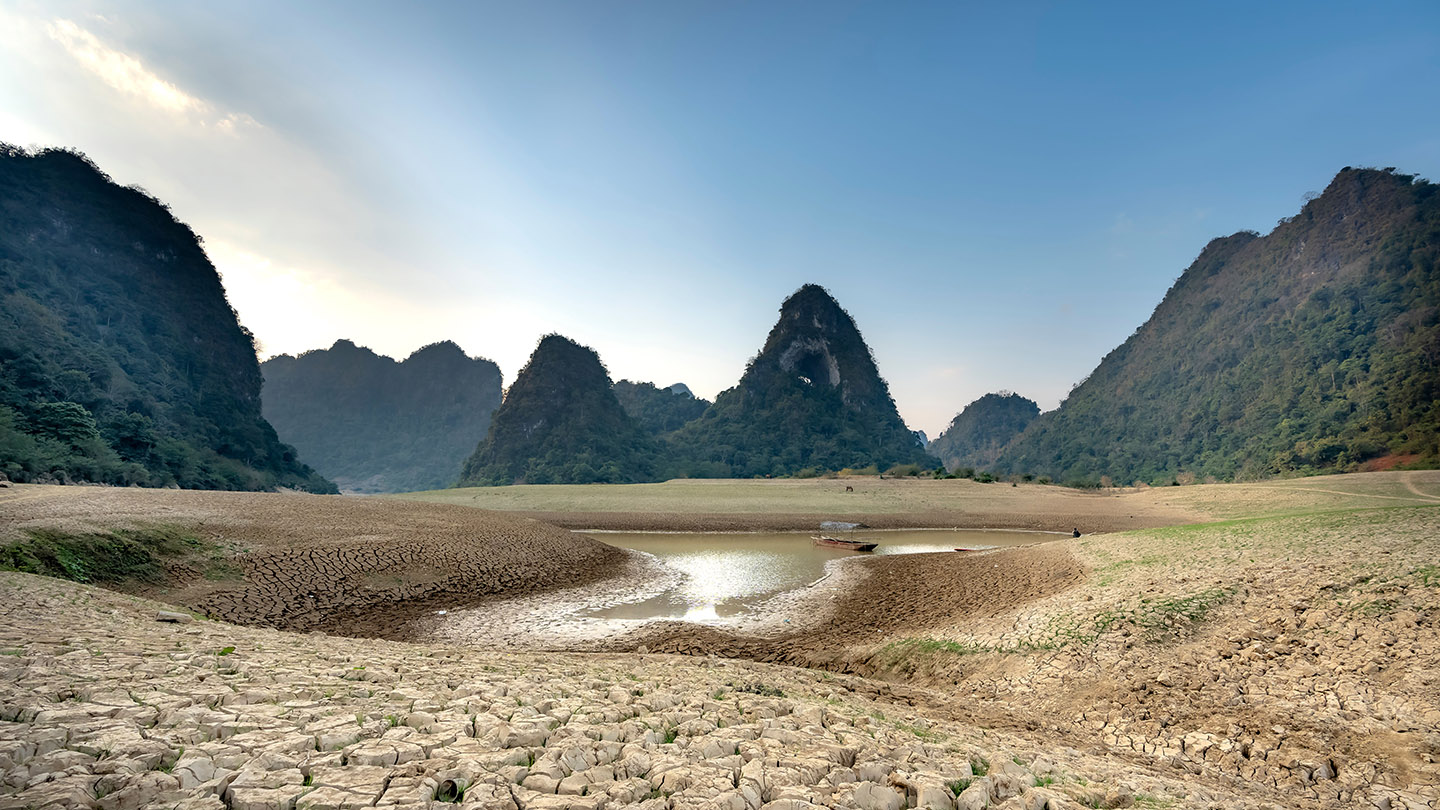
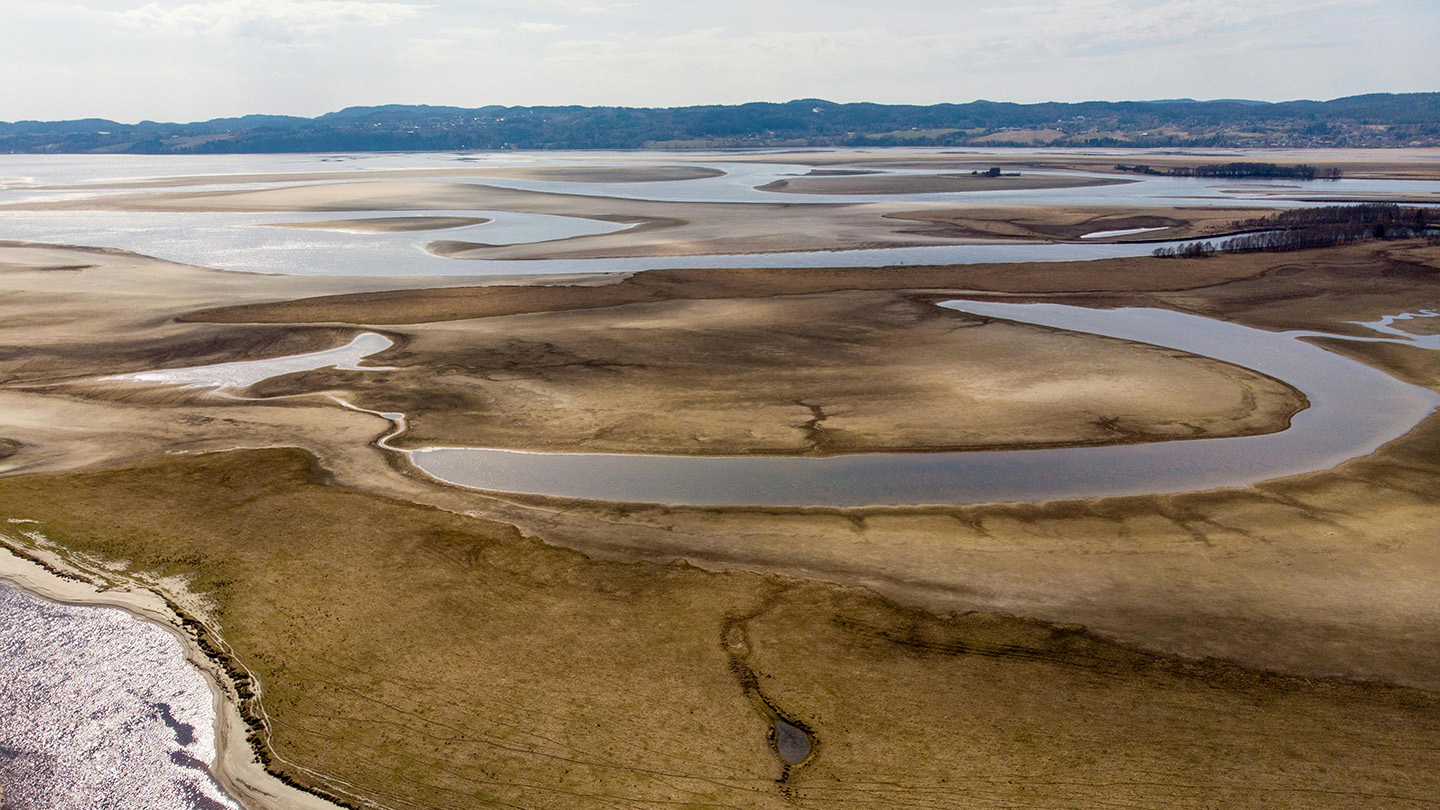
According to the latest report by the United Nations University Institute for Water, Environment and Health (UNU-INWEH), we have now exceeded a threshold of natural resource exploitation that until recently seemed only theoretical, and we have effectively entered a situation of global water bankruptcy.
The data clearly show a situation of “systemic collapse”: the water resources at our disposal have been used and polluted in such an impactful way that we cannot restore them to previous levels.
The Council of Ministers has given preliminary approval to the Legislative Decree implementing Directive (EU) 2024/825, known as Environmental Claims and Green Transition (ECGT).
This is a highly anticipated piece of legislation, which marks a crucial step in the fight against greenwashing and in strengthening consumer protection within the European ecological transition process.
With this regulatory intervention, the European Union and its Member States aim to make environmental communication more transparent, verifiable, and comparable, promoting a fairer market geared towards real sustainability.
Dear Participants of the UN Global Compact,
as we begin 2026, one truth stands out: in a world of heightened scrutiny and shifting expectations, responsible business is resilient business. Sustainability fuels innovation, strengthens risk management and reinforces investor confidence, demonstrating that corporate commitments are not soft promises but durable drivers of long-term value. When companies stay the course through political cycles, economic turbulence and public pressure, they provide the continuity that underpins trust, stable societies and well-functioning markets.
The choices made in the near term will determine whether the world moves toward shared prosperity, a stable climate and an economy that works for all. At a moment defined by geopolitical tension, economic uncertainty and eroding public trust, principled business leadership is no longer optional; it is an essential stabilizing force.
2025 carried particular significance. The United Nations marked its 80th anniversary, and the UN Global Compact marked 25 years since its founding. Together, these milestones reaffirmed our core mission: mobilizing the private sector behind universal principles and grounding long-term economic progress in values that endure, even as conditions change.
The year that has just begun brings with it new challenges, in the wake of the complexities that have characterized 2025: major twin crises such as climate change and the loss of biodiversity and natural resources, together with the growing inequalities caused by polarizations at a geopolitical level, are redefining the global panorama.
In this ever-changing environment, companies will have to learn to navigate the complexities, while strengthening their competitiveness and long-term performance. Faced with these challenges, the United Nations Global Compact continues to remain faithful to its mission: to guide and accompany the private sector towards the 2030 Agenda Goals, providing practical and concrete tools to address uncertainties, manage risks and integrate sustainability at the center of its business strategies.
The circular economy should no longer be viewed as an emerging trend, but rather as a fundamental strategic lever for Italian SMEs seeking to remain competitive, strengthen their role within supply chains, and achieve sustainable growth in both national and international markets. In a context marked by volatile raw material prices, increasing resource scarcity, and an increasingly complex regulatory environment, the adoption of circular models enables companies to reduce risk exposure while creating new value opportunities.
The circular economy is a model of production and consumption that aims to keep products, materials, and resources in use for as long as possible through practices such as sharing, reuse, repair, refurbishment, and recycling. Its objective is to extend product life cycles and significantly reduce waste generation by reintegrating materials into production processes once their original function has been fulfilled. This approach transforms waste into resources, creating additional economic value and improving the overall efficiency of production systems.
Dear Participants of the United Nations Global Compact,
it is a pleasure for me to address you with this first letter of the end of the year. I take up with enthusiasm - and with a sense of responsibility - the legacy left by Marco Frey at the end of his long mandate, trusting that I can continue with you the path of growth, dialogue and commitment that characterized his contribution. We are approaching the end of 2025 feeling a strong duty to share some reflections at the end of a year which, for sustainability at a global level, was among the most complex of the last decade.
Yesterday morning, the Executive Director of UNGCN Italy, Daniela Bernacchi, participated in the first global Workshop on Voluntary National Reviews - organized by the United Nations Department of Economic and Social Affairs (UNDESA) and hosted by the Food and Agriculture Organization of the United Nations (FAO).
The main objective of the meeting was to bring together representatives of Governments, institutions and civil society organizations from around the world, involved in the implementation of Voluntary National Reviews (VNRs), to facilitate the exchange of knowledge, experiences and best practices, and explore specific issues and challenges related to the preparation of VNRs, in view of the upcoming High-Level Political Forum in New York.
On 26 February 2025, the European Commission presented the Omnibus I Package, a proposal to simplify - in all EU member states - the legislation in force in the sustainability and investment sectors, specifically the reporting directive (Corporate Sustainability Reporting Directive, CSRD) and the corporate sustainability due diligence directive (CSDDD).
After a "Stop-the-clock" announced in April by the EU Council which contemplated the postponement of entry into force and the remodulation of the brackets for different types and sizes of companies, yesterday afternoon the European Parliament met in plenary and definitively approved the package.
The 14th UN Forum on Business & Human Rights, the world's leading summit dedicated to promoting the UN Guiding Principles on Business and Human Rights, has just closed in Geneva. The Forum brought together governments, the private sector, civil society, and international organizations to accelerate action on human rights.
The Forum provided a unique opportunity for multi-stakeholder dialogue to assess the effectiveness of existing regulatory frameworks on human and labor rights and explore strategies to improve commitments and actions in response to constantly evolving global dynamics.
According to estimates, 75% of participants came from the business world, but there was a lack of representation from suppliers and workers, who are the real protagonists of the subject. Among the issues that emerged most strongly in the discussion were the living wage – to which most companies are already committed – the link between climate and human rights, and the risks and opportunities associated with the use of AI to accelerate due diligence processes.
The 30th Conference of the Parties on Climate Change (COP30), held in Belém, Brazil, from 10 to 21 November 2025, has just concluded, bringing together nearly 200 countries to discuss global climate policies. The conference reaffirmed the importance of multilateral cooperation and continuity with the objectives of the Paris Agreement, without introducing binding commitments on the phase-out of fossil fuels. The final agreement, known as the Mutirão Decision, was greeted with applause, but observers still considered it insufficiently incisive due to gaps in energy and mitigation policies.
As part of the initiatives promoted by the Italian Pavilion at COP30, held in Belém, Brazil, from 10 to 21 November, the UN Global Compact Network Italy, in collaboration with RemTech Expo, organised the event “Nature to Tackle the Climate Change Challenge: Businesses and Urban Regeneration.” In particular, the session curated by the Italian Network provided an opportunity to present the study “Italian Companies and the Role of Natural Capital Protection in the fight against Climate Change,” a research carried out in 2025 in collaboration with The European House – Ambrosetti and Ca' Foscari University of Venice, with the support of Edison SpA.
The meeting in Belém opened with institutional greetings from Francesco Corvaro, Special Envoy for Climate Change for Italy, and Alessandro Guerri, General Manager, Directorate-General for European, International Affairs and Sustainable Finance, Ministry of Environment and Energy Security of Italy.
Biodiversity still a weak point in corporate environmental strategies: only 42% of companies monitor impacts
Italian companies are becoming increasingly aware of the strategic value of nature, but biodiversity remains largely absent from environmental strategies. This is the message from the new report "Italian Companies and the role of Natural Capital Protection in the Fight against Climate Change", promoted by the UN Global Compact Network Italy in collaboration with The European House – Ambrosetti, Ca' Foscari University of Venice, with the support of Edison. The study has been presented during COP30 in Belém, at the Italian Pavilion, in collaboration with the Italian Ministry of Environment and Energy Security.
The tenth edition of the Italian Business & SDGs Annual Forum, organized by UN Global Compact Network Italy, last 21 and 22 October, reiterated a now central message in the business world: sustainability is no longer an ethical or reputational choice, but an essential condition for economic growth and competitiveness.
This year the SDGs Forum took place in Naples, a city chosen to celebrate the 25th anniversary of the United Nations Global Compact and to enhance the role of Southern Italy as a laboratory of innovation and sustainability. Naples has thus established itself as a symbol of a sustainable transition from below, capable of connecting institutions, businesses and local communities in a common path of responsible development.
The study “The Perception of Sustainable Development by Europeans” conducted in 16 countries highlights that Italian citizens' interest in SDGs and sustainable consumption is higher than the European average
Sustainability remains a fundamental value for European citizens and, to an even greater extent, for Italian citizens. This is what emerges from the new study “The Perception of Sustainable Development by Europeans,” conducted by the European Country Networks of the UN Global Compact and presented on September 24 in New York, during a side event of the Leaders Summit 2025.
The year 2024 was the second year in which the Global Compact Network Italy Foundation drafted and published its Social Report to share, with its stakeholders, the work carried out and the value generated.
The document provides detailed information on the various aspects of the Foundation such as the Value Proposition and the Mission of the Italian Country Network; the structure with which it is organized, to achieve its statutory objectives; the description of the initiatives and special projects carried out during the year, as well as an overview of the economic and financial situation.
In the various sections of the document, the story of the lively growth of the Network narrates of another year of commitment and activity, alongside companies and organizations, on the path towards the promotion of the Ten Principles of the UN Global Compact and towards achieving the Sustainable Development Goals of the United Nations 2030 Agenda.
The digital transition can and must become a tool for accelerating sustainability in agrifood supply chains, helping to make production systems more equitable, inclusive, and resilient. To achieve this goal, it is crucial that businesses adopt a strategic approach to digitalization, consistent with the Objectives of the 2030 Agenda of the United Nations and supported by effective public-private partnerships. This is the message shared by UN Global Compact Network Italy and the Permanent Mission of Italy to the United Nations during the side event organized in the margins of the High-Level Political Forum (HLPF), held on July 21 in New York.
Twenty-five years ago, nearly 50 pioneering companies joined forces with the United Nations to align their operations and strategies to advance a more sustainable world.
On 26 July 2000, then-UN Secretary-General Kofi Annan launched the UN Global Compact with a bold vision: to unite businesses around the world in advancing human rights, labour standards, environmental stewardship and anti-corruption. This was the beginning of a powerful partnership between businesses, Governments and civil society to create a more inclusive and ethical global market.
With less than five years to go until 2030, the year set for achieving the 2030 Agenda, the world is behind schedule in achieving the 17 Sustainable Development Goals and 169 targets. Humanity is facing unprecedented geopolitical, economic and environmental challenges, which are redefining the role of businesses and the scope of their commitment to sustainability from an environmental, social, economic and governance perspective.
On the occasion of International Women's Day, UN Global Compact Network Italy, Borsa Italiana and Women in ETFs are promoting the event “International Women's Day | Ring the Bell for Gender Equality - Closing the Gap: Accelerate action,” the ceremonial event organized annually by more than 100 stock exchanges around the world to dedicate the opening of financial markets to the theme of Gender Equality.
The event will be held March 7 in Milan at the headquarters of Borsa Italiana. Attendance in person is strictly by invitation, but the ceremonial will be live streamed open to all on the UN Global Compact Network Italy YouTube channel.