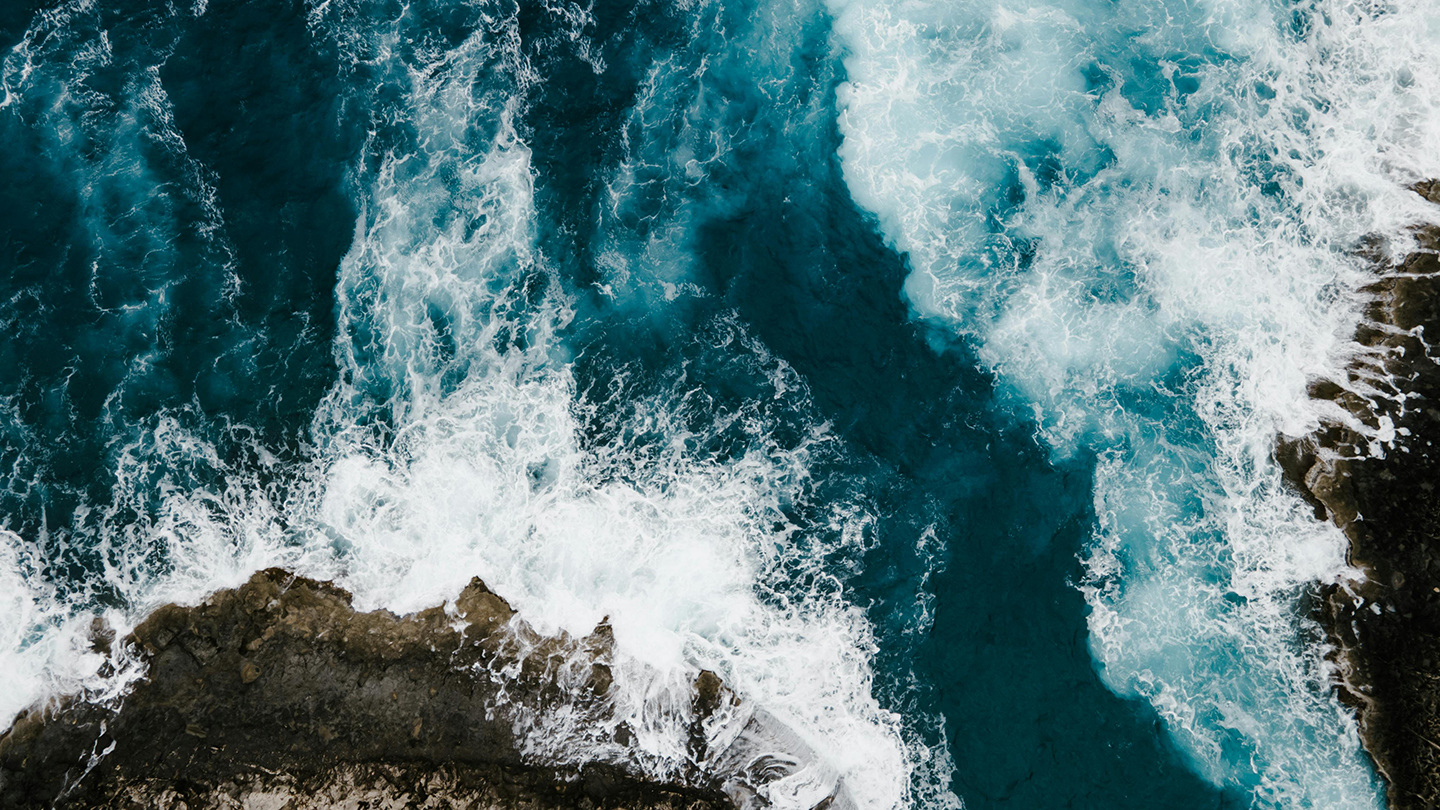
Precisely on the occasion of World Oceans Day, it is important to remember that the protection of marine ecosystems remains one of the main priorities of the international environmental agenda. The oceans represent an essential element for the planet's climate balance, food security and global economic stability: they produce over 50% of the oxygen we breathe, regulate the Earth's climate and absorb approximately 90% of the excess heat generated by climate change, as well as a significant share of anthropogenic CO₂ emissions.
However, this very regulatory function is putting pressure on marine ecosystems, which are increasingly exposed to rising temperatures, acidification of water, loss of biodiversity, plastic pollution and intensive exploitation of natural resources.
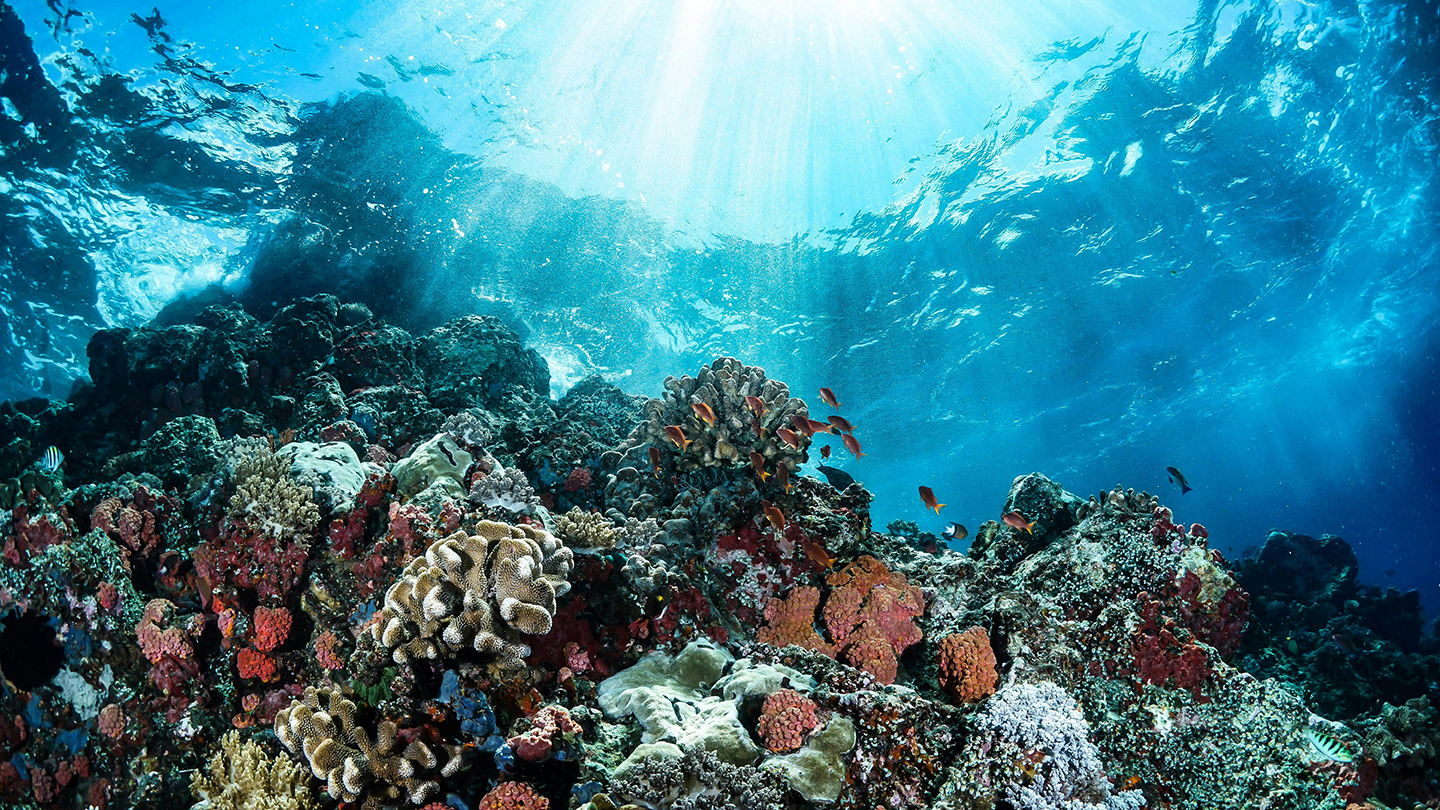
On an international level, there is growing awareness of the need for a coordinated and multilateral approach to the protection of the oceans. The United Nations, through Sustainable Development Goal 14 (“Life Below Water”), promotes the conservation of marine ecosystems and the sustainable management of ocean resources.
In this context, UN Global Compact has developed dedicated initiatives such as the Ocean Stewardship Coalition involving businesses, financial institutions, the scientific community and governments in defining economic practices compatible with ocean health. From the decarbonisation of maritime transport to the development of the sustainable blue economy and blue finance, up to the promotion of environmental transparency standards, the role of the private sector is today considered increasingly strategic in the protection of marine ecosystems.
At the same time, however, the international geopolitical framework continues to represent a factor of strong instability also on an environmental level. Tensions in strategic areas such as the Strait of Hormuz — a key crossroads for global energy trade — increase the risk of accidents, spills and marine contamination, with potential long-lasting consequences on local ecosystems. In a context marked by conflicts, energy competition and the security of trade routes, it is becoming increasingly clear how closely the health of the oceans is linked to global political and economic balances.
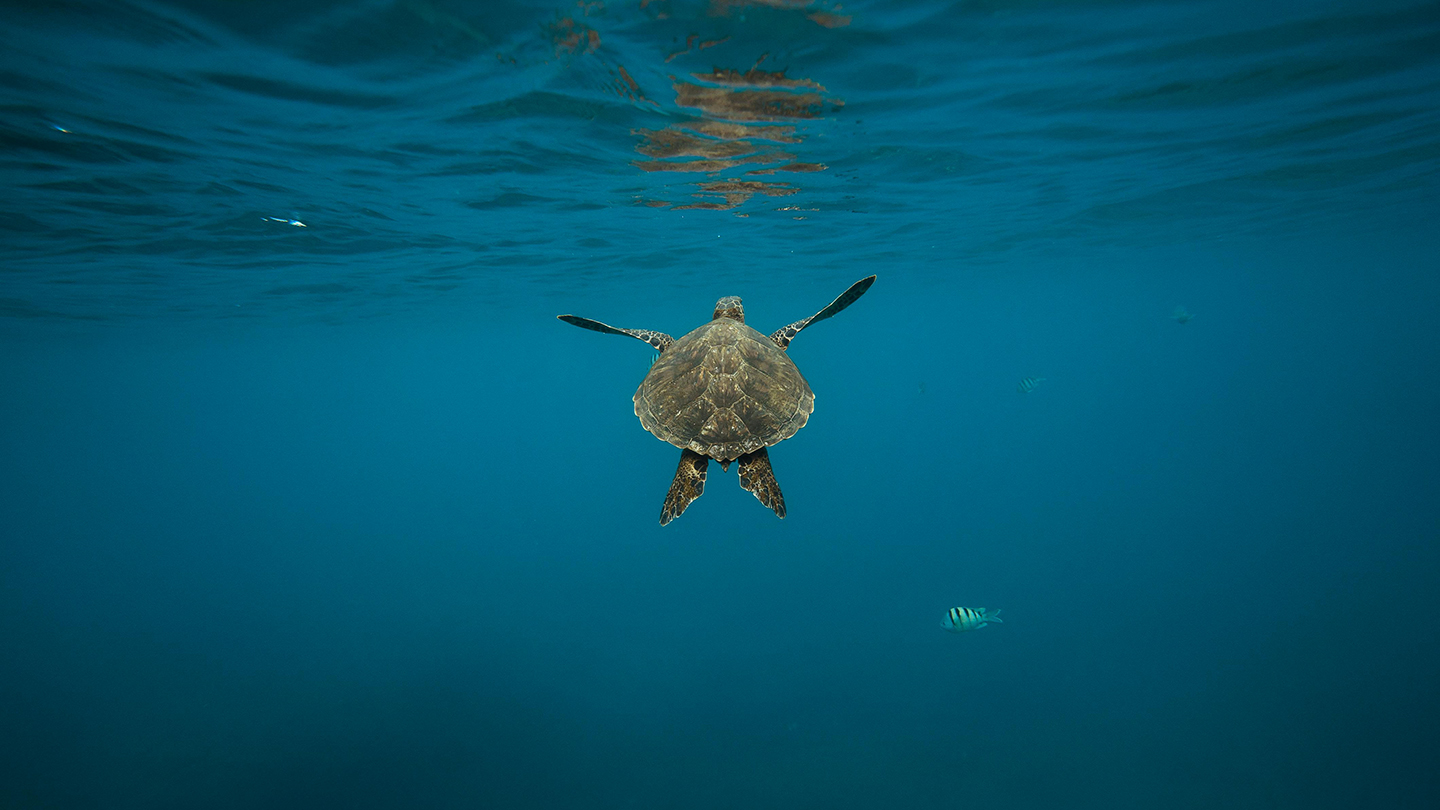
In this scenario, then, the protection of the oceans takes on a value that goes far beyond the ecological dimension alone. The protection of marine ecosystems today represents a transversal challenge that concerns the climate, food security, economic stability and global geopolitical balances. Protecting the oceans certainly means strengthening the commitment against climate change and preserving biodiversity and natural resources, but it also means promoting international cooperation, stability and security. In an increasingly fragmented global context, environmental sustainability can and must become a tool for dialogue and shared responsibility, capable of contributing not only to the health of the planet, but also to the construction of more lasting conditions of international stability and security.
Image source: Pexels
Read also:
Businesses and biodiversity: tools, standards and regulation to take action
International Earth Day: preserving the Planet means defending our future