Every year, on March 22nd, we celebrate World Water Day, a day established in 1992 by the United Nations which aims to shine spotlight on the crucial role of water in our lives and our daily actions. Among the main objectives of World Water Day is to promote the achievement of SDG 6, water and sanitation for all by 2030, and to raise awareness as many people as possible about the global water crisis, with the aim of finding strategies for sustainable and safe management of water resources for all.
Every year, UN Water defines the theme of the day, and that of 2026 is "Water and Gender", also in the wake of the initiatives related to human and women's rights that are celebrated in the month of March.
Where water flows, equality grows
This edition of World Water Day aims to stimulate reflection on the fundamental relationship between water, women and gender equality, with the desire to put women at the center of decisions relating to the management of water resources, to build fairer, safer and more sustainable communities.
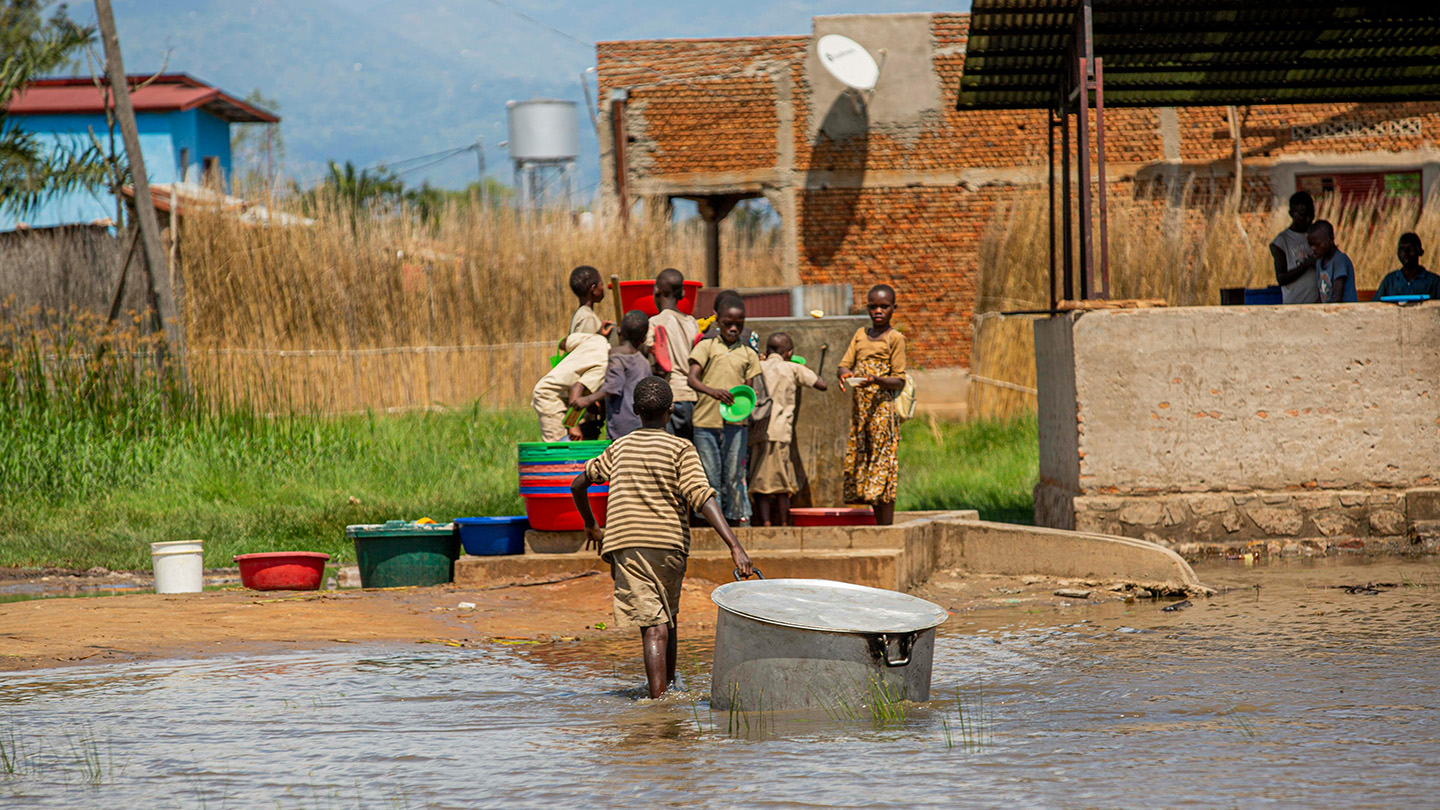
The global water crisis affects everyone, but not in the same way. Globally, over 2.1 billion people lack safe drinking water and, very often, where safe and easily accessible access to water and sanitation is not guaranteed, inequalities thrive, with women and girls bearing the brunt
- Globally, more than 1 billion women – more than a quarter of all women (27.1%) – lack access to safely managed drinking water services (ONU Donne/UNDESA, 2023)
- 1.8 billion people still do not have drinking water on-premises, and in two out of three households, women are primarily responsible for water collection (WHO/UNICEF, 2023)
- In 53 countries with available data, women and girls spend 250 million hours per day on water collection – over three times more than men and boys (ONU Women/UNDESA, 2024)
Water crisis is a gender crisis
According to the latest United Nations report, entitled "Global Water Bankruptcy: Living Beyond Our Hydrological Means in the Post-Crisis Era", the world has now entered a situation of "systemic collapse": the water resources at our disposal have been used and polluted in such an impactful way that we cannot restore them to previous levels.
Water bankruptcy is as much an environmental challenge as a political and ethical challenge: to give just a few examples, political decisions on which countries must reduce consumption, which will receive environmental compensation or which regions have a priority in terms of investments, will have a strong impact on social dynamics and cohesion for decades.
If these decisions systematically favor already powerful groups, the management of water bankruptcy risks becoming a factor of instability and injustice rather than a path towards resilience. A just approach to water bankruptcy management requires meaningful participation and inclusive, transparent and fair decision-making processes. Affected communities - such as small farmers, indigenous peoples, women, young people - should have a voice in defining reallocation plans, infrastructure choices and adaptation strategies.
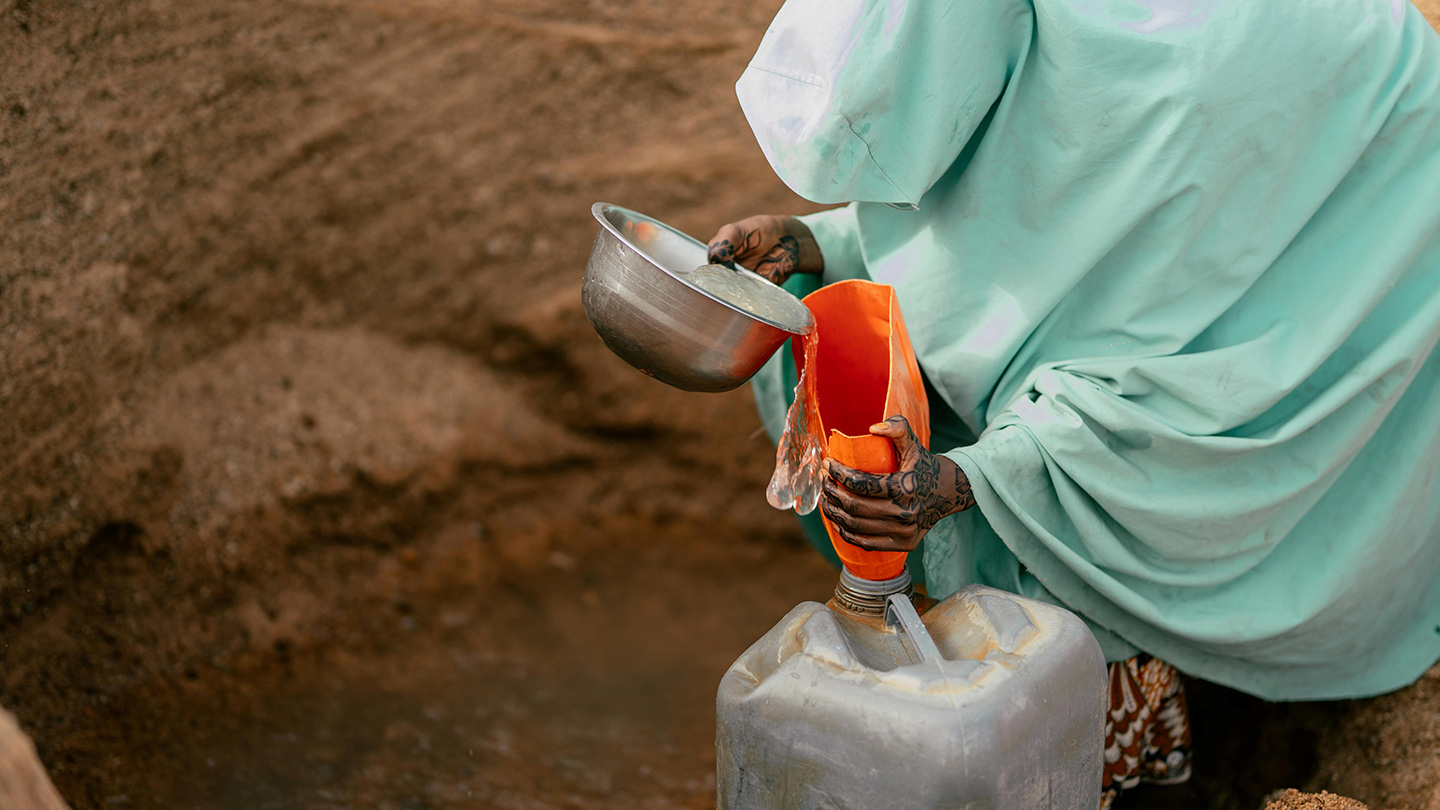
Too often, women and girls are excluded from decision-making, leadership positions, funding and representation roles. This makes the water crisis a gender crisis - like crises due to the unsustainable use of other natural resources - especially in those countries in the world where safe and easily accessible access to water and services is not guaranteed.
A transformative, rights-based approach is needed to solve these challenges, in which women's voices are heard and their autonomy recognized; for this reason, in a recent policy note drawn up by UNEP-DHI, Global Water Partnership (GWP) and UN Women, seven key actions were proposed to accelerate the integration of gender issues in the management of water resources, namely:
- Foster a strong commitment to gender mainstreaming among the executive leadership at the national level;
- Explicitly integrate gender into water laws, policies, and strategies;
- Allocate earmarked funding and human capital to gender mainstreaming in water resources management;
- Set up supportive frameworks for effective participation and parity of women in the development and implementation of policies, programmes, and projects;
- Establish monitoring systems with the capacity to collect sex-disaggregated and intersectional data, and the technical skills to design gender-responsive indicators;
- Invest in education, awareness raising, and capacity development, to redefine cultural practices around the inclusion of women in decision-making;
- Form multi-stakeholder and intersectoral coordination mechanisms and bodies, to ensure coordinated action on gender across climate, environment, water and related sectors.
Only in this way could we build a safer future and make water not only a crucial element for our lives but also for our societies.
Fonte immagini: Pexels
Leggi anche: