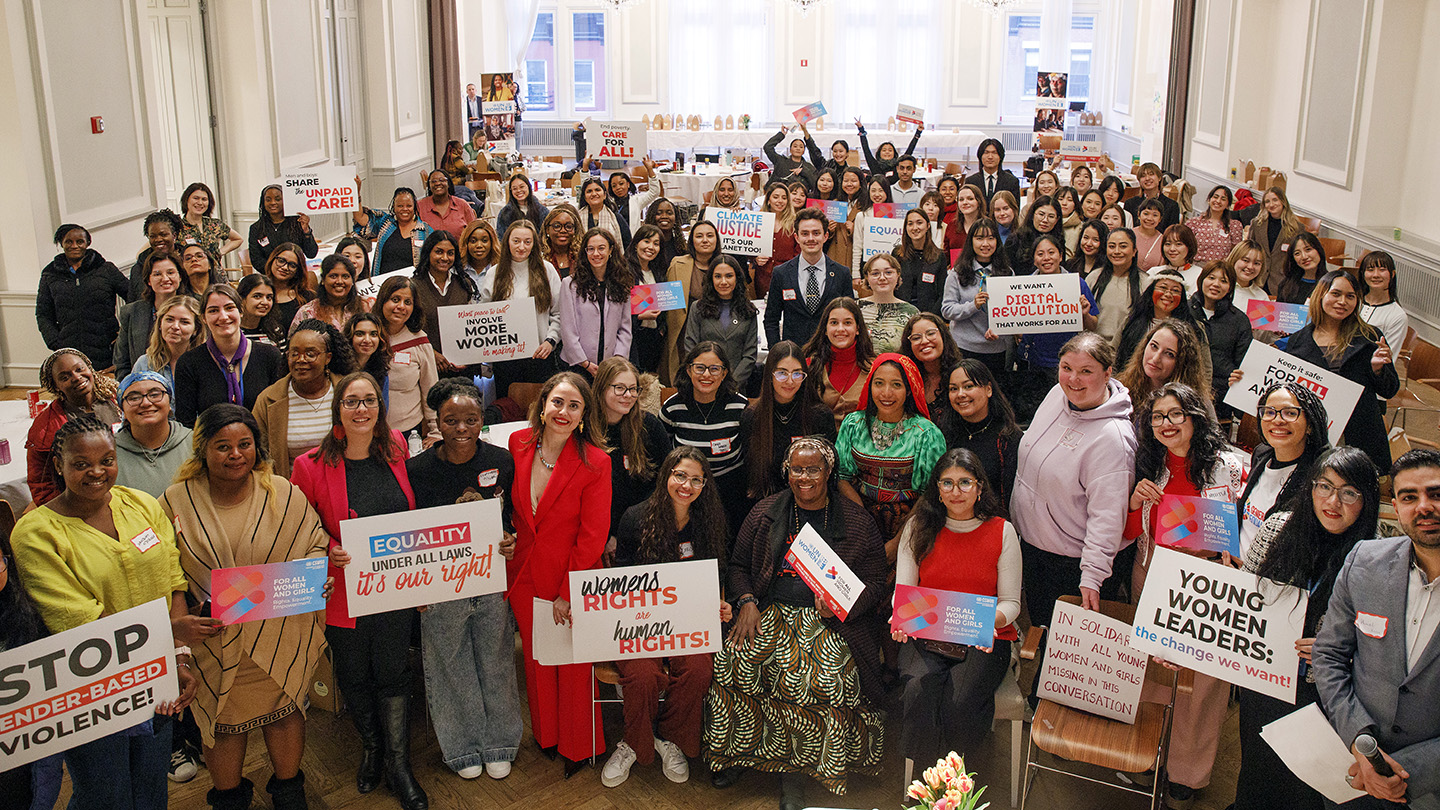
On the occasion of International Women's Day 2026, the latest report from UN Women raises a global warning: the justice systems designed to defend the rights of women and girls around the world are failing and are failing to guarantee protection and justice to victims of violence. Globally, women hold only 64% of the legal rights reserved to men and are, therefore, exposed to discrimination, violence and exclusion at every stage of their lives.
This is one of the conclusions emerging from the document entitled “Ensuring and strengthening access to justice for all women and girls” which shows how laws globally hinder the full rights and freedom of women, silencing their voices.
The main obstacles to change
While the UN Agency for Gender Equality says that no country in the world has achieved full legal equality between women and men, the report highlights five key areas that impede equality for women and girls, who face greater barriers to justice than men in almost 70% of the countries examined: discriminatory legal frameworks, social norms that perpetuate inequality, gaps between laws and implementation, judicial systems independent of the state and conflict contexts.
Furthermore:
- 54% of countries in the world have no consent-based definitions of rape;
- in 44% of countries around the world, the law does not require equal pay for work of equal value
- 72% of countries in the world still allow, by national law, forced marriages with girls
Possible progress to be made
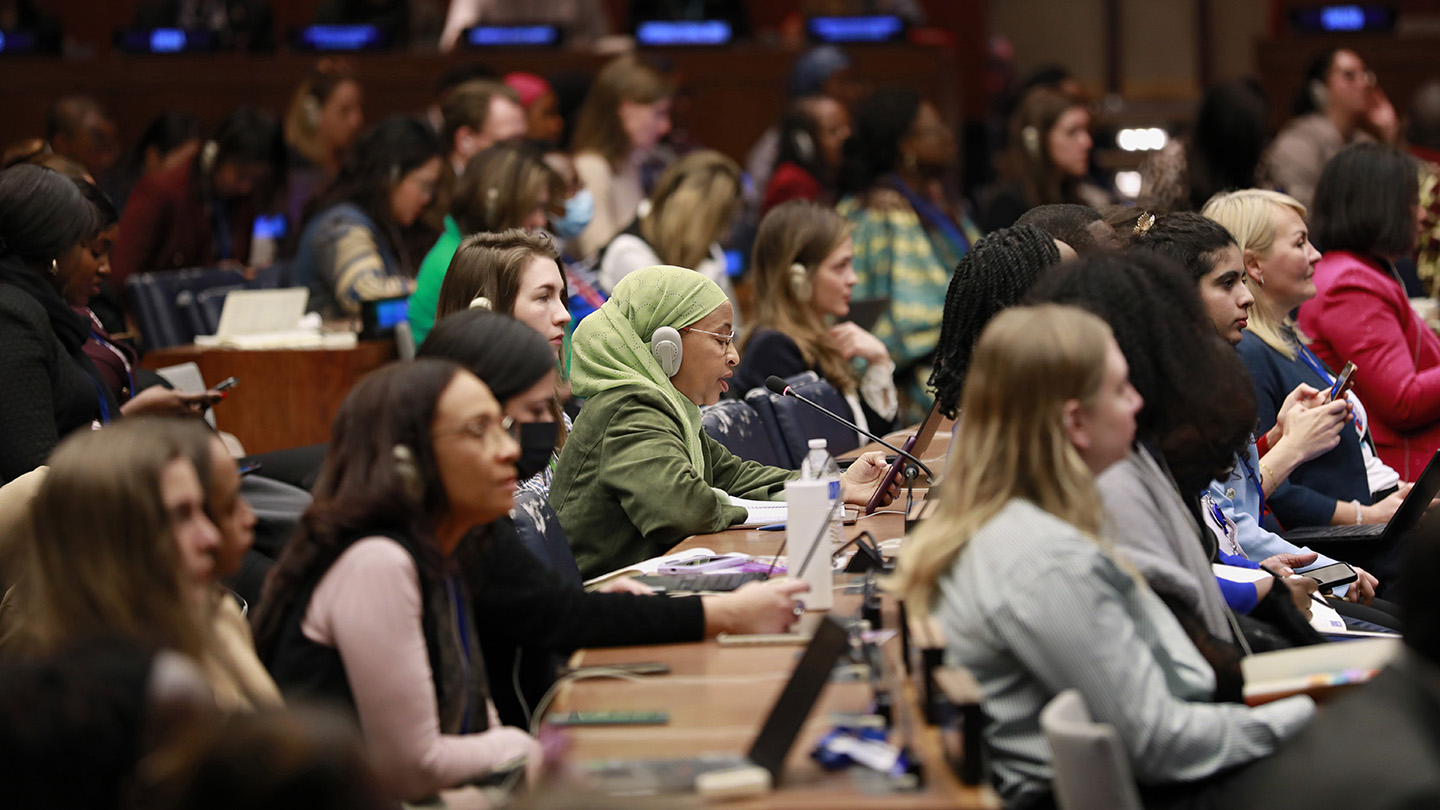
Justice systems can evolve and transform, as observed by Sarah Hendriks, Director of the Policy, Program and Intergovernmental Division of UN Women, underlining that, since 1970, over 600 million women have gained access to economic opportunities thanks to Family Law reform.
The UN report also shows that progress is possible:
- 87% of countries have enacted laws against domestic violence
- More than 40 countries have strengthened constitutional protections for women and girls over the past decade
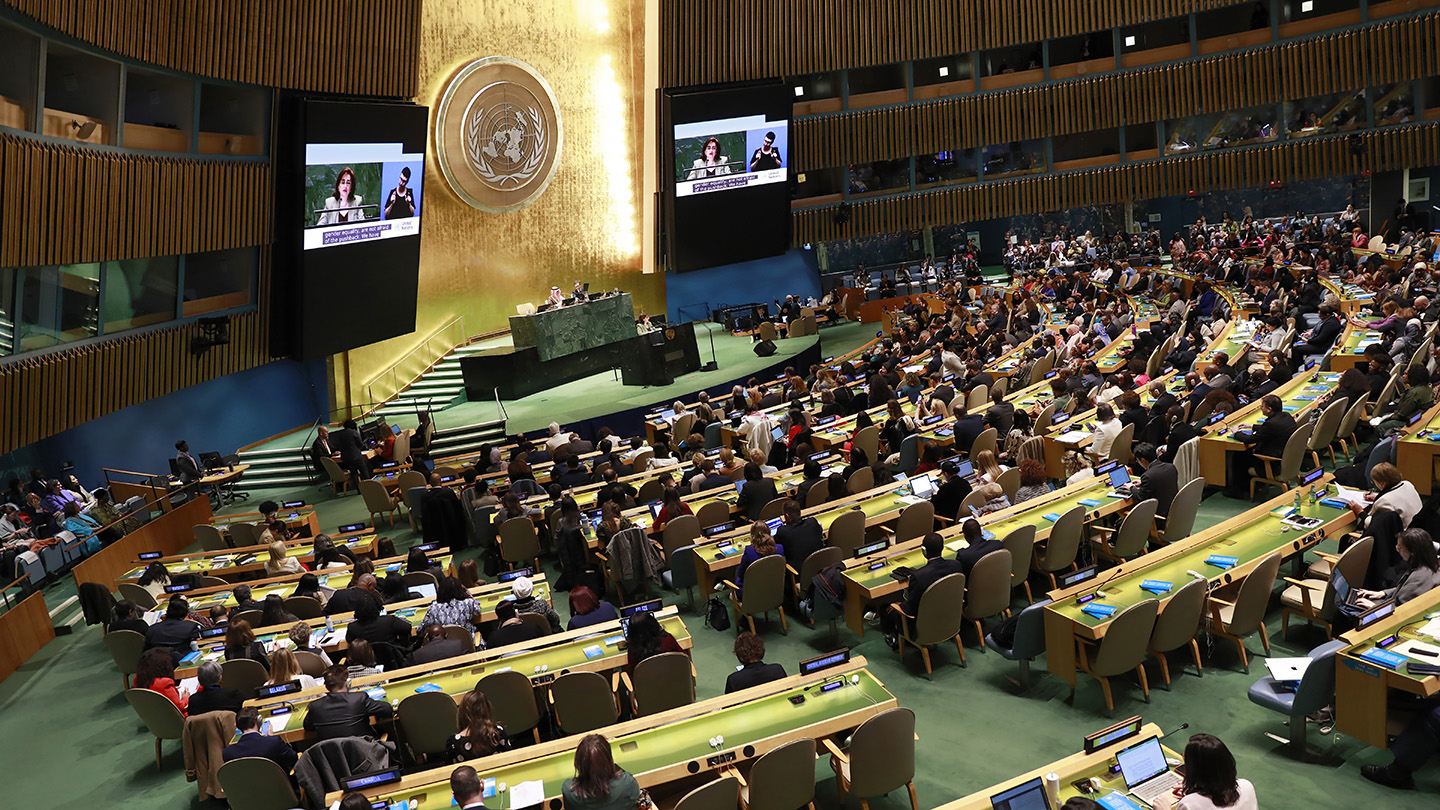
But laws alone are not enough: joint action by all the actors of civil society is needed. "Rights. Justice. Action. For ALL women and girls" was the theme of International Women's Day 2026, and will be the demand proposed in unison during the 70th Session of the Commission on the Status of Women (CSW70), which takes place from 9 to 19 March at the United Nations Headquarters in New York.
This is the Functional Commission of the Economic and Social Council (ECOSOC) and is the largest global decision-making body dedicated exclusively to promoting gender equality, the rights and empowerment of women and girls. This year's 70th Session, as well as being a major anniversary, will be the ultimate test of whether the world will choose to act together and ensure equality before the law for all women and girls or allow injustice to persist with impunity.
Image source: UN Women, Official Flickr Gallery
Read also:
Commission for Social Development 2026: why this year's edition is the most important ever