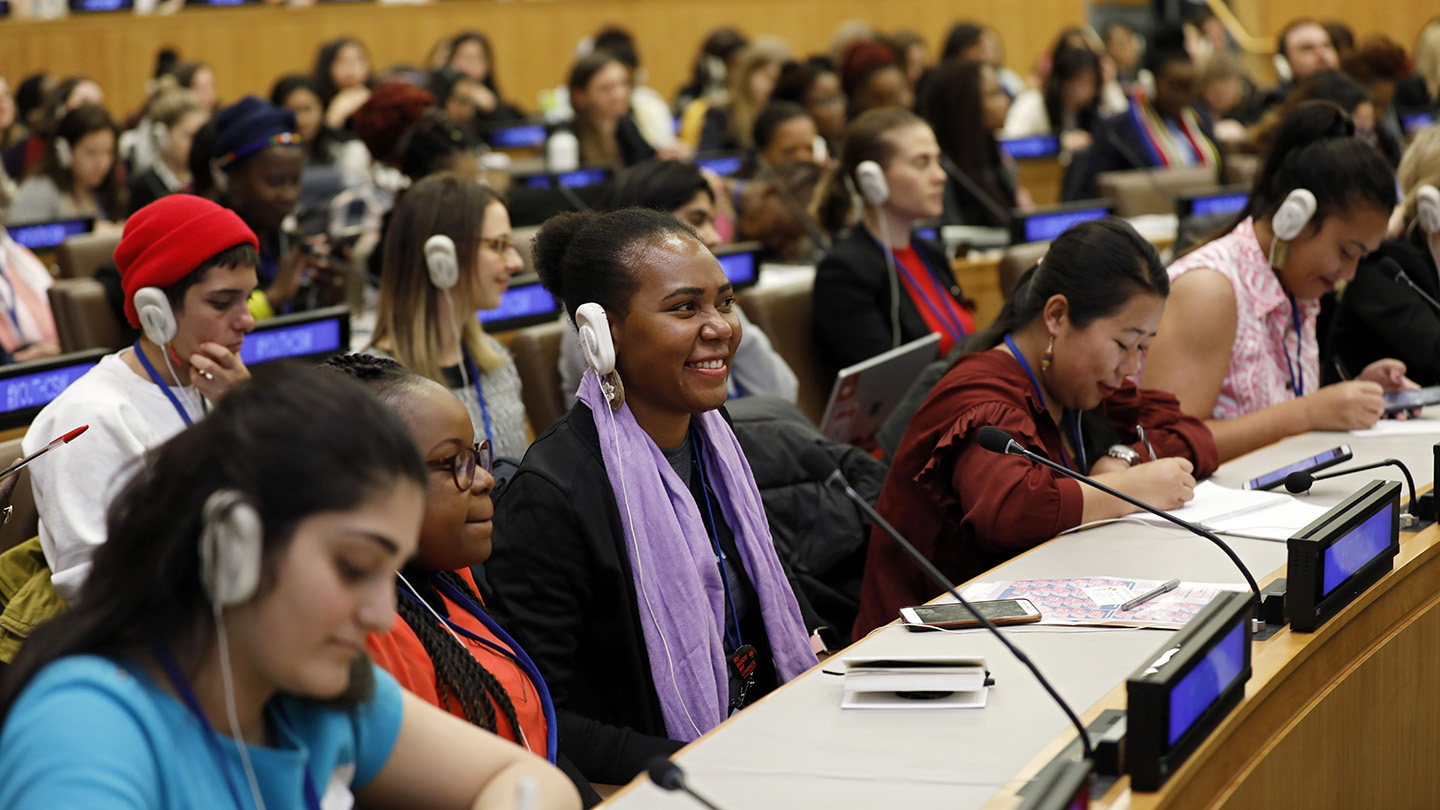
From February 2 to 10, the 64°Commission for Social Development (CSocD64) is being held at the United Nations Headquarters in New York. The Commission is a committee within the United Nations Economic and Social Council (ECOSOC) whose main task is to provide advice within the United Nations framework on social development issues.
The Commission plays a key role in promoting social policies that support the United Nations' overall development goals, particularly with regard to:
- the elimination of poverty;
- the promotion of social inclusion;
- ensuring decent work and wages for all.
Social development: the global context
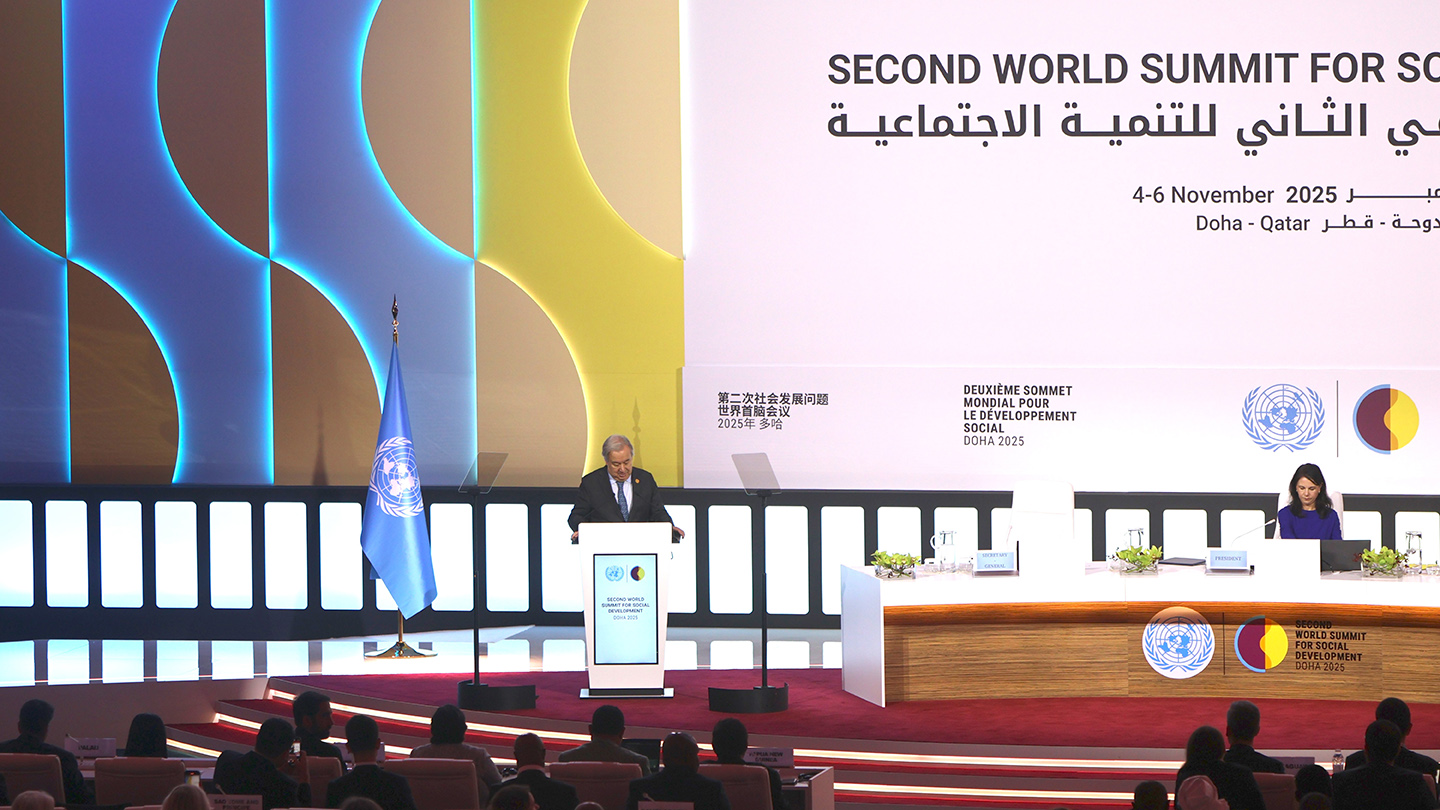
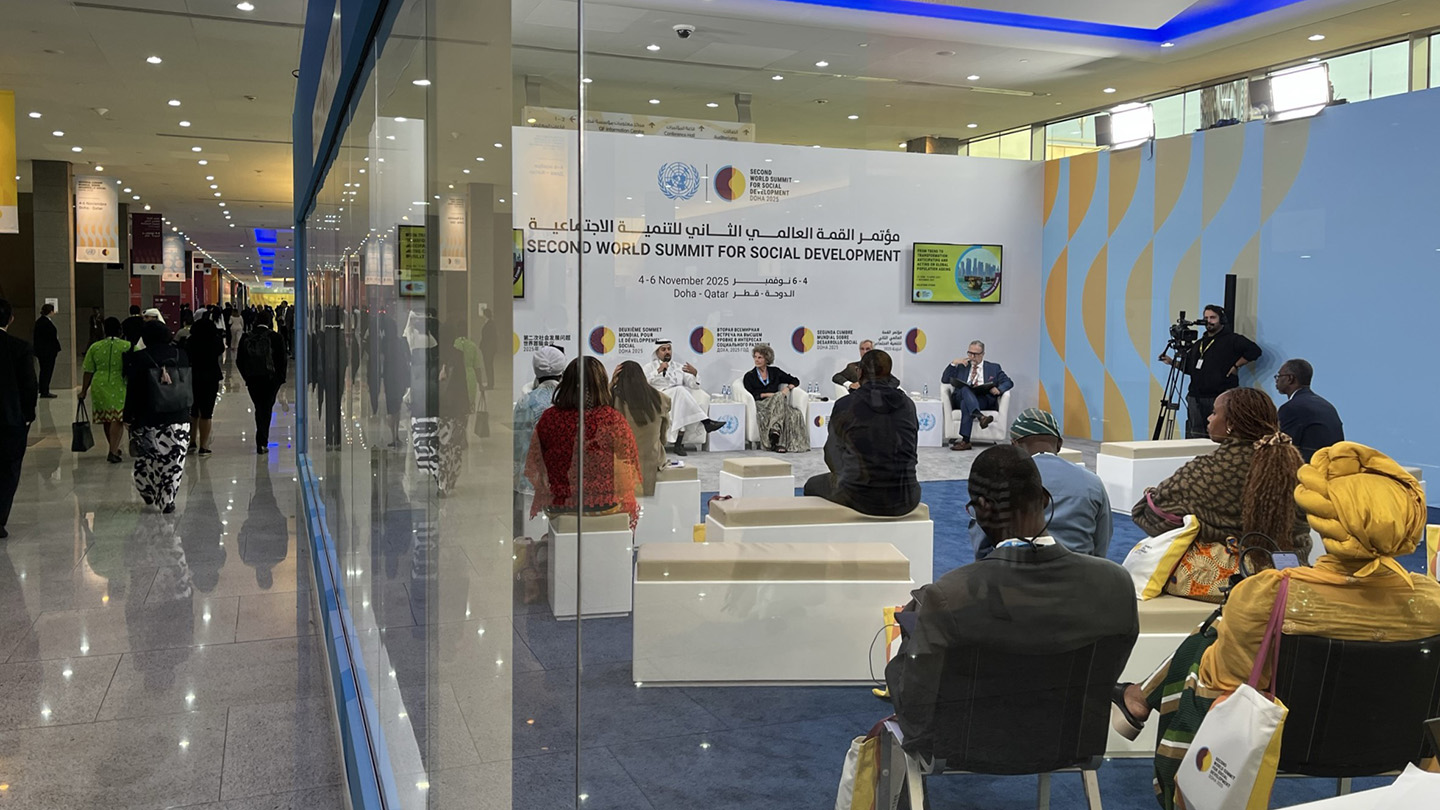
The Second World Summit for Social Development, held in Doha, in Qatar, from November 4 to 6, 2025, brought together heads of state and United Nations representatives, representatives of civil society and the private sector, international organizations, and academia to reaffirm the commitments made at the major summit in Copenhagen in 1995 and accelerate the implementation of the 2030 Agenda.
A historic outcome of the Summit was the adoption of the Doha Political Declaration on Social Development, which renews the global commitment to people-centered, inclusive, and sustainable development.
The document, signed by more than 40 Heads of state and government, promises to “reinvigorate the global commitment to social development, justice, and inclusion” and emphasizes the urgency of addressing poverty, inequality, unemployment, social exclusion, and the multiple crises affecting social development around the world.
The 64th Commission for Social Development (CSocD) provides the ideal context in which these commitments begin to take shape as policy pathways, national strategies, and shared frameworks for action. This year's theme, “Advancing social development and social justice through coordinated, equitable, and inclusive policies,” offers Member States the opportunity to identify strategies and best practices for translating these commitments into concrete action.
A compass to follow in a changing environment
At a historic moment such as the present, when the world is facing profound social and economic challenges, the Commission's mandate—as the main intergovernmental body responsible for reviewing, guiding, and accelerating the translation of political commitments into concrete progress toward social goals—is more important than ever.
Development and social justice are essential foundations for building more resilient, equitable, and inclusive communities, rebuilding trust in institutions, protecting human dignity, and ensuring equal opportunities for all.
This year's session marks the first formal moment of accountability since the Doha summit and another opportunity to suggest practical guidelines to Member States for achieving the Sustainable Development Goals as we approach the final date of the 2030 Agenda.
This is a unique opportunity for Member States to demonstrate how they have begun, and intend to continue, to honor the commitments they made just a few months ago by signing the Doha Political Declaration.
Image source: UN-DESA official website, Flickr Albums
Read also:
14th Forum on Business and Human Rights in Geneva: respect for human rights is the path to progress