
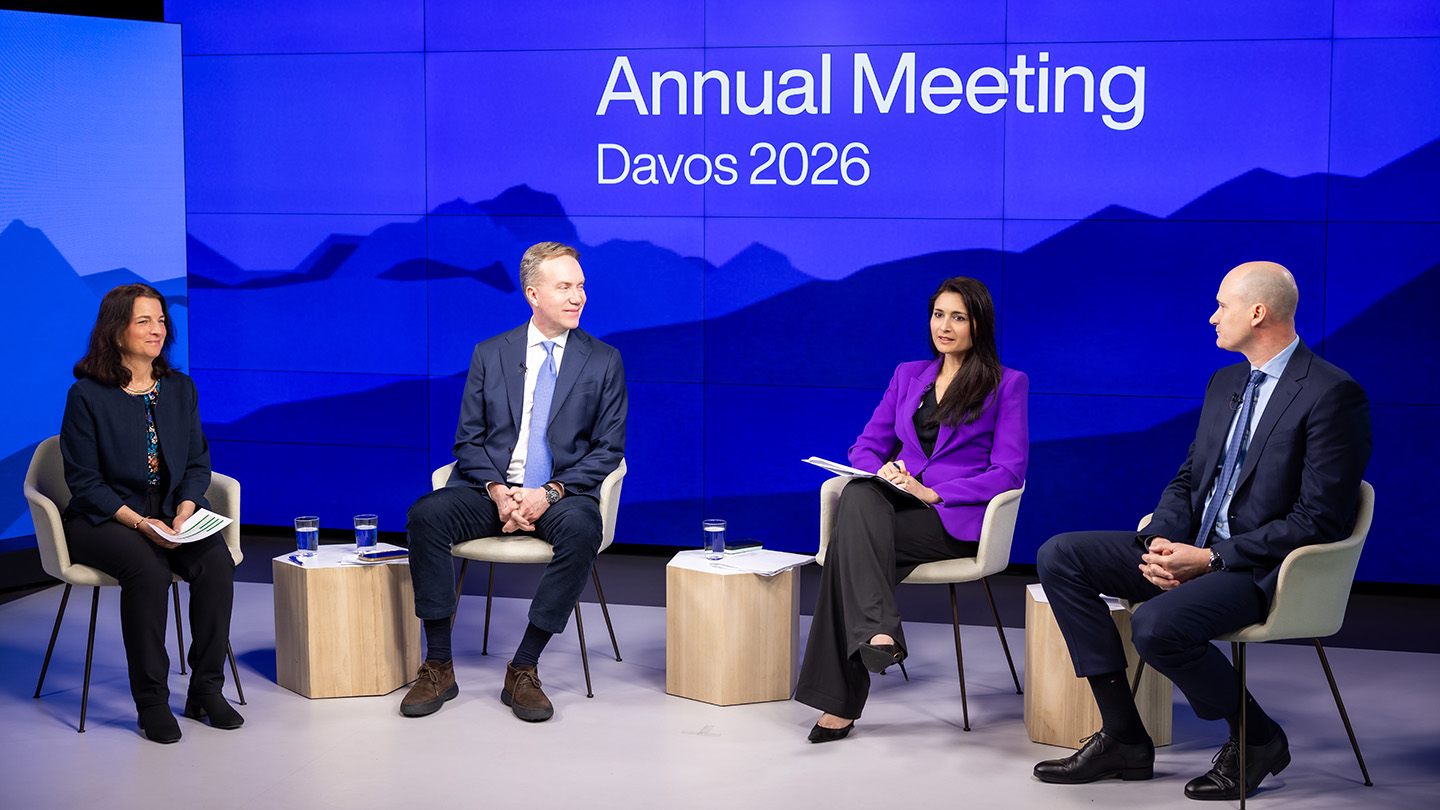
The 56th edition of the World Economic Forum (WEF) in Davos, Switzerland, has just come to a close. It brought together over 3,000 participants from 130 countries around the world, including 64 heads of state and over 800 of the most important CEOs and presidents of global organizations, to discuss the future of the world economy.
After last year's focus on the emerging and increasingly crucial issue of digital transition and the use of artificial intelligence, this year's debate shifted to the theme ‘A Spirit of Dialogue’, which calls for open dialogue between governments and industry and a strong spirit of cooperation in a context of growing economic and geopolitical instability.
The global picture according to the WEF report
Even before the start of the meeting, the World Economic Forum had published and distributed its Global Risk Report 2026, a study that brings together the analyses and opinions of 1,300 experts from various sectors to identify the main current threats and crises and support global decision-makers on possible solutions and strategic priorities.
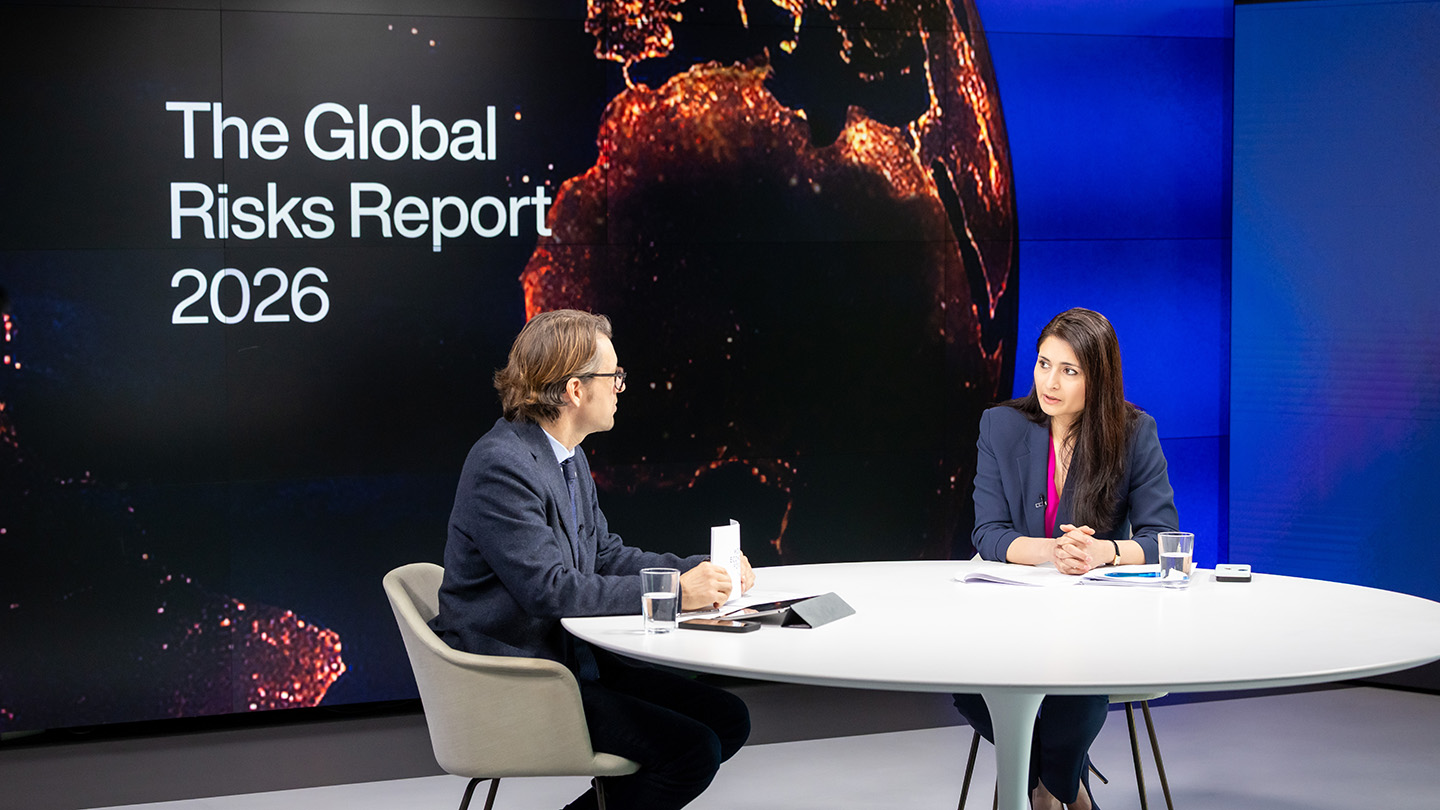
The report considers five different thematic categories—social, economic, technological, geopolitical, and environmental—analyzing possible risks for each one of them. The picture that emerges is critical: the world has now entered an “era of competition” in which we are witnessing different forces clashing with each other when it comes to economic and technological resources.
Fifty-seven percent of the experts interviewed predict a turbulent and stormy decade. At the top of the list of perceived risks are:
-
for 2026, geo-economic conflict—including tariffs, sanctions, technological restrictions, supply chain control, pressure on raw materials and trade routes—and armed conflicts;
-
in the short to medium term (by 2028), geo-economic conflict, disinformation, and societal polarization;
-
in the long term (for the next decade), extreme weather events, loss of biodiversity and natural capital, and possible adverse outcomes from the use of AI.
Navigating complexity: the role of the private sector
In a context marked by growing conflicts, social polarization, and geopolitical tensions on the one hand, and constantly evolving investments, fragmented digital ecosystems, and rapid adoption of artificial intelligence on the other, the business world is facing interconnected crises and structural changes.
During the Forum, WTO Director-General Ngozi Okonjo-Iweala stated that the global economy has been reshaped and will never return to the way it was before, calling on businesses and policymakers to adopt resilience strategies to address growing structural uncertainties.
At the heart of the debate for businesses is the question of how this new global order will reshape opportunities over the next decade, but it is certain that the competitive advantage will belong to leaders who are able to rethink their activities, risk management, and business models in a sustainable and responsible way, and who take into account the fact that, in the long term, climate crises and biodiversity loss could also lead to a redesign of the geography of their business and supply chains.
The United Nations Global Compact Strategy 2026-2030 is one of the concrete responses to the current complex situation, designed to support and guide the private sector. The goal is to mobilize companies to turn ambition into concrete action, focusing on three strategic priorities:
-
equip companies to act, by offering them instruments such as digital training and peer-to-peer comparison, collaborating with various actors to expand customized training paths that integrate the Ten Principles of the Global Compact and enable measurable progress to be accelerated;
-
catalyze collective action by promoting business-led multi-stakeholder partnerships to address systemic barriers and achieve coordinated progress on climate action and nature protection, decent work, gender equality, and sustainable finance;
-
advance the business case for sustainability by demonstrating how responsible corporate leadership can generate both social impact and long-term commercial value, through the collection of increasingly concrete examples, data, and insights from participating companies.